Why Most UI Redesigns Fail to Fix the Real Problem
Date
Jan 29, 2025
Category
UI UX Design
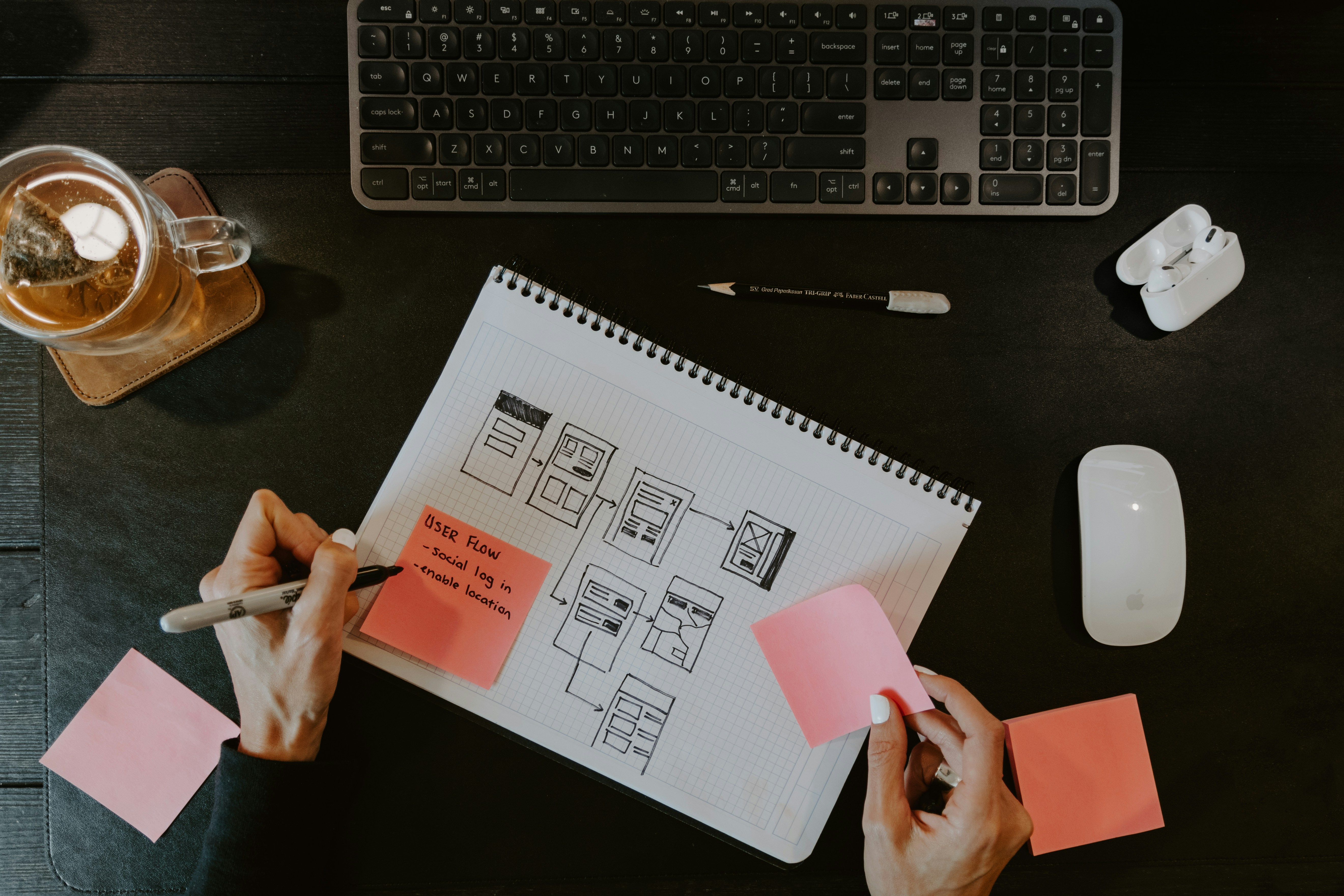
Overview
A Redesign Isn't a Fix, It's a Bet Teams reach for a redesign when something feels off — drop-off is high, users are confused, the product "feels dated." But a redesign is a bet that changing the surface will change the outcome. Most of the time, it doesn't, because the thing that was actually broken was never the visual layer to begin with.
Symptoms vs. Root Causes Confusing navigation, low engagement, and high support volume are symptoms. The root cause is usually buried somewhere in the information architecture, the onboarding flow, or a mismatch between what users are trying to do and what the interface assumes they want. A fresh coat of visual polish on top of a broken flow just makes the broken flow prettier.
Weak Online Presence
Chasing Trends Over Behavior Glassmorphism, bento grids, oversized type — trends move fast, and it's tempting to chase them because they photograph well in a portfolio. But a trend adopted without evidence that it solves a real user problem is decoration, not design.
Skipping Research to Ship Faster The fastest way to a redesign that doesn't work is skipping the step where you actually watch people use the product. Assumptions dressed up as decisions are still assumptions — they just look more confident.


Protecting Long-Term Brand Value
Brand equity is built over time through consistent experiences and meaningful relationships with customers. A scalable brand system protects the integrity of the brand as the company expands into new markets, products, or partnerships. It ensures flexibility without sacrificing identity.
As startups evolve, the brand system acts as a foundation that supports innovation while preserving recognition and trust. This long-term consistency increases brand value, improves customer loyalty, and strengthens competitive positioning in saturated markets.
Creating Alignment Across Product and Experience
A brand system is not limited to marketing — it influences product design, user experience, customer support, and internal communication. When product interfaces reflect the same design logic and tone as marketing materials, users experience a seamless journey from discovery to adoption.
This alignment strengthens emotional connection and reduces friction in user interaction. Customers feel confident navigating the product because the experience feels familiar, intentional, and trustworthy.